What Topics Does the Sora Robotic Blog Cover? The world of robotics is changing rapidly, isn’t it? Understanding this technological transformation brought by Industry 4.0 and the power of automation...
What Topics Does the Sora Robotic Blog Cover?
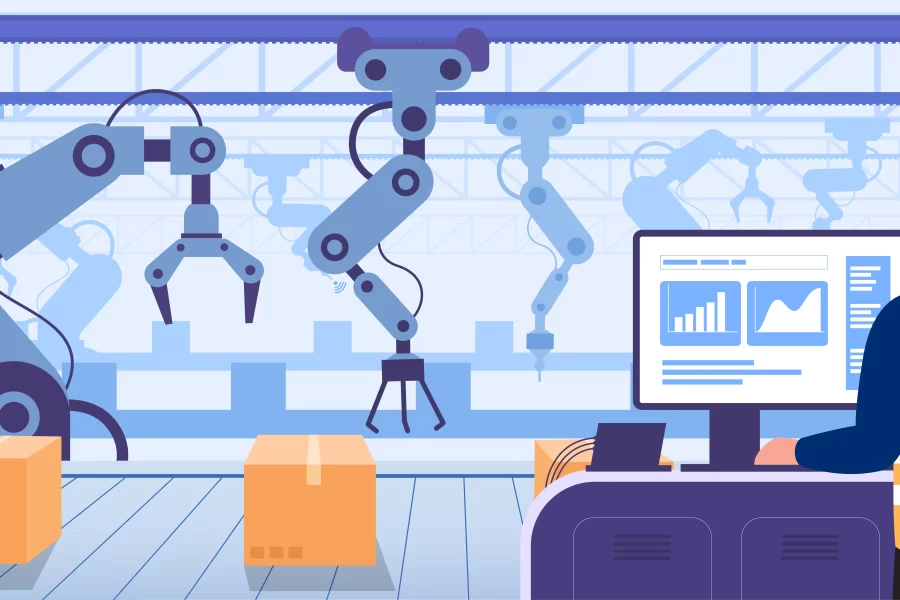
The world of robotics is changing rapidly, isn’t it? Understanding this technological transformation brought by Industry 4.0 and the power of automation has become vital—not just for engineers, but for every business and professional seeking a competitive advantage.
As the Sora Robotic Blog, we aim to provide you with comprehensive guidance through the vast and exciting world of robotics. Our goal is to convey, in clear language, the impact of robots that extends far beyond the factory floor, and how they are shaping the future of work and society.
- Robot Fundamentals: Dive into basic knowledge with articles explaining questions like “What is an industrial robot?” and “How do robots work?” We provide a solid foundation for understanding these intelligent machines by examining their main components, from sensors to actuators and control systems.
- Types and Classifications of Robots: Explore the diverse world of robots by discussing questions such as “What are the main types of robots?” and “How are robots classified?” This includes everything from heavy-duty industrial robots found in factories to collaborative cobots working alongside humans, and even agile mobile robots used in logistics and exploration.
- Robotic Applications: Discover the real-world impact of robots across various sectors. Our articles answer questions like “How are robots used in manufacturing?” and “What are the applications of robots in healthcare?“ We examine specific use cases in automotive, electronics, medical surgery, agriculture, logistics, and many more.
- Industrial Automation: Understand broader concepts like “What is industrial automation?” and “How is automation revolutionizing manufacturing?” We discuss the technologies and strategies that enable factories to operate with minimal human intervention, increasing efficiency and precision.
- Emerging Technologies: Stay informed about the latest innovations. We delve into topics such as “How does artificial intelligence impact robots?” and “What are the latest advancements in robot vision?” Our content covers the relationship between robotics and artificial intelligence, machine learning, advanced sensor technologies, and the Internet of Things (IoT).
- Future Trends and Forecasts: Get a glimpse into the future with articles like “What will robots be able to do in the future?” and “How will robotics shape our society?” We discuss potentials such as more autonomous systems, enhanced human-robot interaction, and the role of robots in smart cities and space exploration.
- Ethical and Societal Implications: Robotics is not just about technology; it’s also about its impact on humanity. We address important questions like “What are the ethical concerns of robot technology?” and “How might robots affect the job market?“
Robotics Fundamentals and Classifications: Which Robot Types Offer the Best Solution for Your Production?
If you are new to this field, it is best to start with fundamental questions like “What is an industrial robot?” or “How exactly do robots work?” We explain all the main components from the ground up—from the control systems that form the brain of the robot to the actuators, the muscles of the robot, that enable movement and gripping.
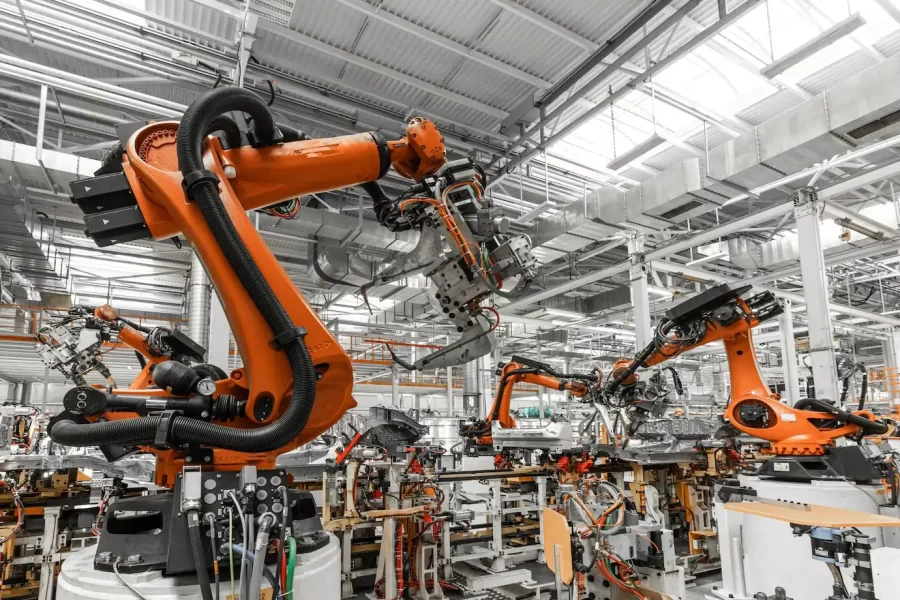
You shouldn’t think of robots as just a single type of machine. There are many different types of robots based on their functions and designs. Various robot classes exist, such as stationary industrial robots required for heavy-duty tasks, collaborative robots (cobots) that can share the same workspace with humans thanks to safety systems, and agile mobile robots that can move freely in logistics and warehousing. Our blog provides the necessary information to understand how these robots are classified and which one is best suited for your specific industrial processes.
The Frontiers of Artificial Intelligence and Industrial Automation: How to Capture Efficiency and Competitive Advantage?
Industrial automation (IA) means making tasks automatic through machines, software, and systems by minimizing human intervention in production and business processes. This ensures quality increase, efficiency rise, and cost reduction. However, the real big difference emerges with the integration of Artificial Intelligence (AI) into this process. AI gives robots not only the ability to fulfill pre-programmed commands but also the ability to learn from data, perceive their environment, and exhibit adaptive behaviors to changing conditions.
In an environment of increasing competition and global labor crisis, automation is now a strategic necessity. Our articles examine in detail how the automation of critical feeding activities, from part feeding to CNC machines (Rocobot CMT series) to end-of-line processes such as palletizing and packaging, transforms efficiency and quality.
Digital Twins and the Real Power of Simulation
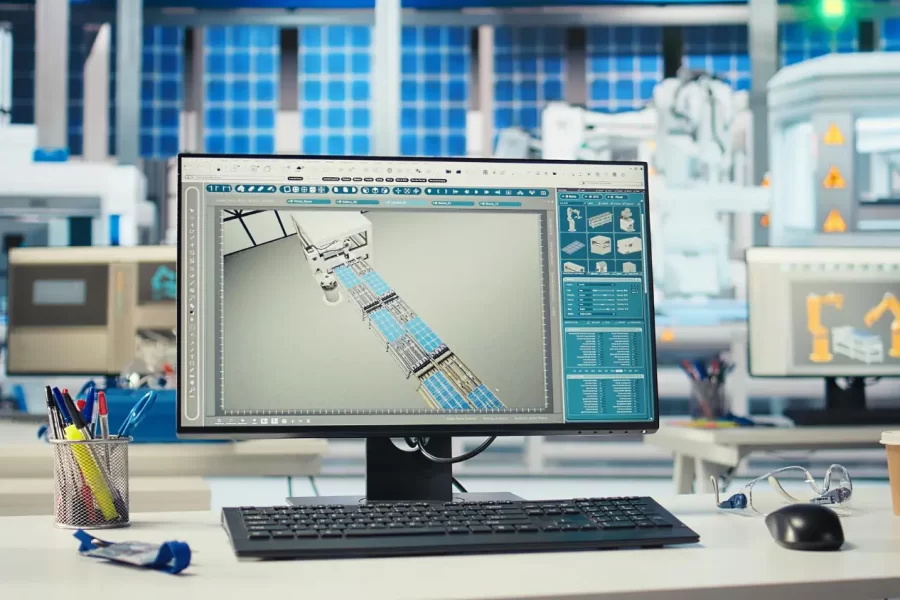
At the highest levels of digital transformation, there are technologies such as simulation and digital twins that allow you to analyze the performance of the system in a virtual environment before creating a physical prototype. A digital twin is a dynamic virtual representation of your physical robot, fed with real-time data. This integrated approach offers you concrete time and cost advantages by allowing you to optimize your production processes and detect bottlenecks and potential failures at the design stage.
Emerging Technologies and Robotics Ethics: How Should the Job Market Prepare for This Transformation?
Robotics not only finds solutions to today’s problems but also determines the trends of the future. We expect the spread of more autonomous systems, mobile manipulation, and advanced human-robot interaction (Cobots). Our blog ensures that you constantly follow topics such as how Artificial Intelligence affects robot vision or how Cloud Robotics increases collaboration.
However, following robotics developments does not only consist of gaining technical knowledge. While this transformation creates new job roles, it also automates some professions. Reading these changes correctly will help individuals adapt and businesses make strategic planning.
Besides, there are ethical and social implications brought by AI and automation. We cannot ignore issues such as potential biases of algorithms, data security, and responsibility in autonomous decision-making processes. While robotics offers solutions to the most urgent problems of humanity (working in dangerous environments), we must ensure that these technologies are used responsibly and in accordance with human values. As Sora Robotic Blog, we aim to help you form conscious opinions about the future of technology and its social impacts by addressing these deep issues.
Why Understanding Robotics and Automation is Important for Everyone?
Having a basic understanding of robotic automation contributes to general technological literacy today and ensures that you make more informed decisions about career paths, policies, and education. If you are a professional, following these developments makes it easier for you to encourage innovation and gain a competitive advantage in the market. Our blog’s mission is to provide accurate and interesting information that appeals to both experienced professionals and curious newcomers.